Our coal oven story
How a 900-degree coal oven bakes pizza
The coal oven is why Anthony's Coal Fired Pizza tastes the way it does. That high heat bakes a thin crust fast, chars the rim, and keeps the center crisp instead of soft.
Heat source first
What a coal oven is
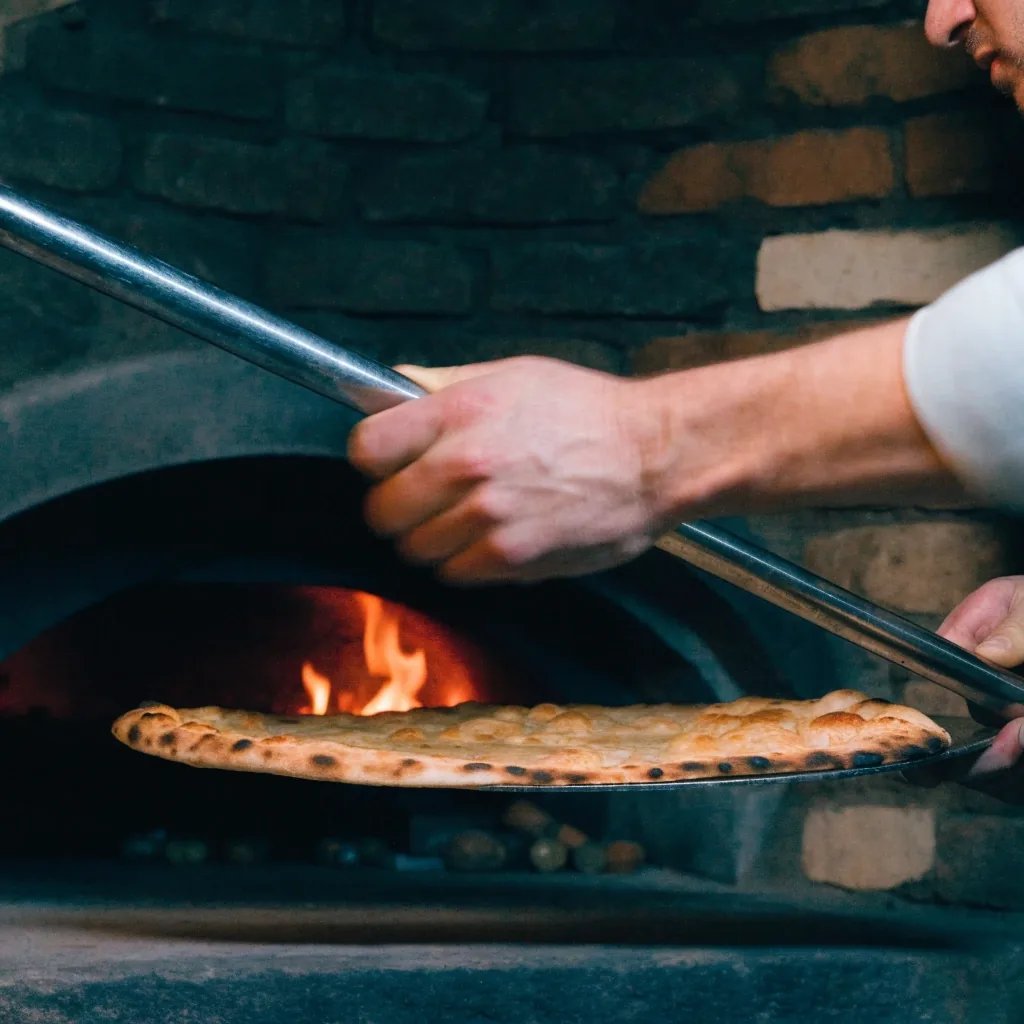
A coal oven burns coal as its heat source. That is different from the gas and electric deck ovens most pizzerias in the United States use. Coal burns hot and holds its temperature steadily, so the chamber stays in a narrow range through a busy dinner service instead of swinging up and down.
That steadiness matters more than any single number. A pizza needs the same heat at the first order of the night as it does at the eighth. Anthony's Coal Fired Pizza talks about 900 degrees because that level of heat bakes a thin crust in a short window, before moisture from dough, sauce, and cheese has time to soften the base.
In short: coal gives a fast, dry bake. The bottom sets quickly, the top finishes at the same time, and the slice leaves the peel firm enough to lift without folding over.
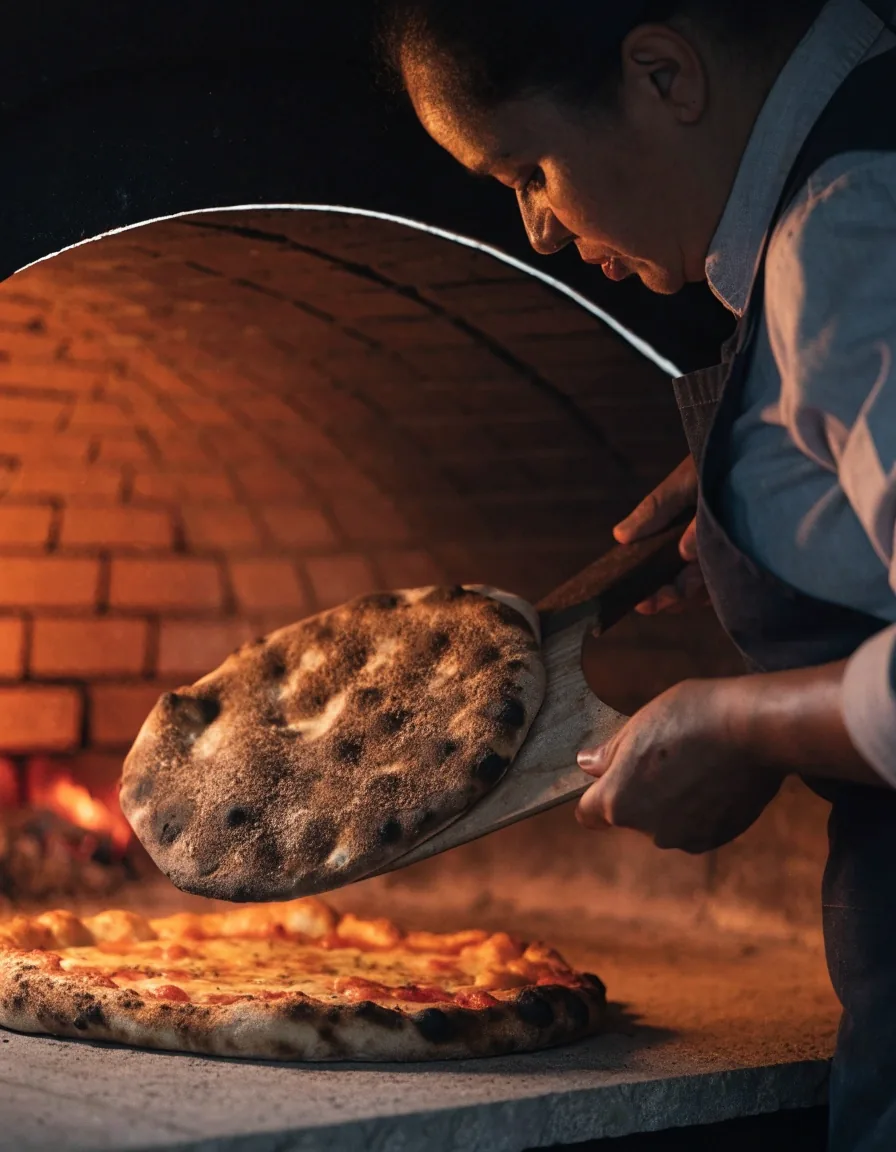
The oven floor does most of the work. Direct contact with hot stone sets the underside while radiant heat finishes the rim.
Why it eats different
Fast bake means crisp bottom, charred rim, and a slice that holds its shape.
A slower, cooler oven gives moisture time to soak into the dough. A 900-degree coal bed does not. That is the whole difference between coal-fired pizza and a standard gas-deck pie.
Why heat changes the crust
High heat does two things at once. It dries the bottom fast, so you get a crisp bite instead of a floppy center, and it chars the rim before the inside overbakes. Look for dark spots along the edge and a dry, firm underside with a little color.
A gas oven at a lower temperature bakes slower. The crust spends more time absorbing moisture from sauce and cheese, which is why it tends to come out softer. Fast versus slow is why Anthony's coal fired style reads as its own kind of pizza.
Char is a feature, not a mistake
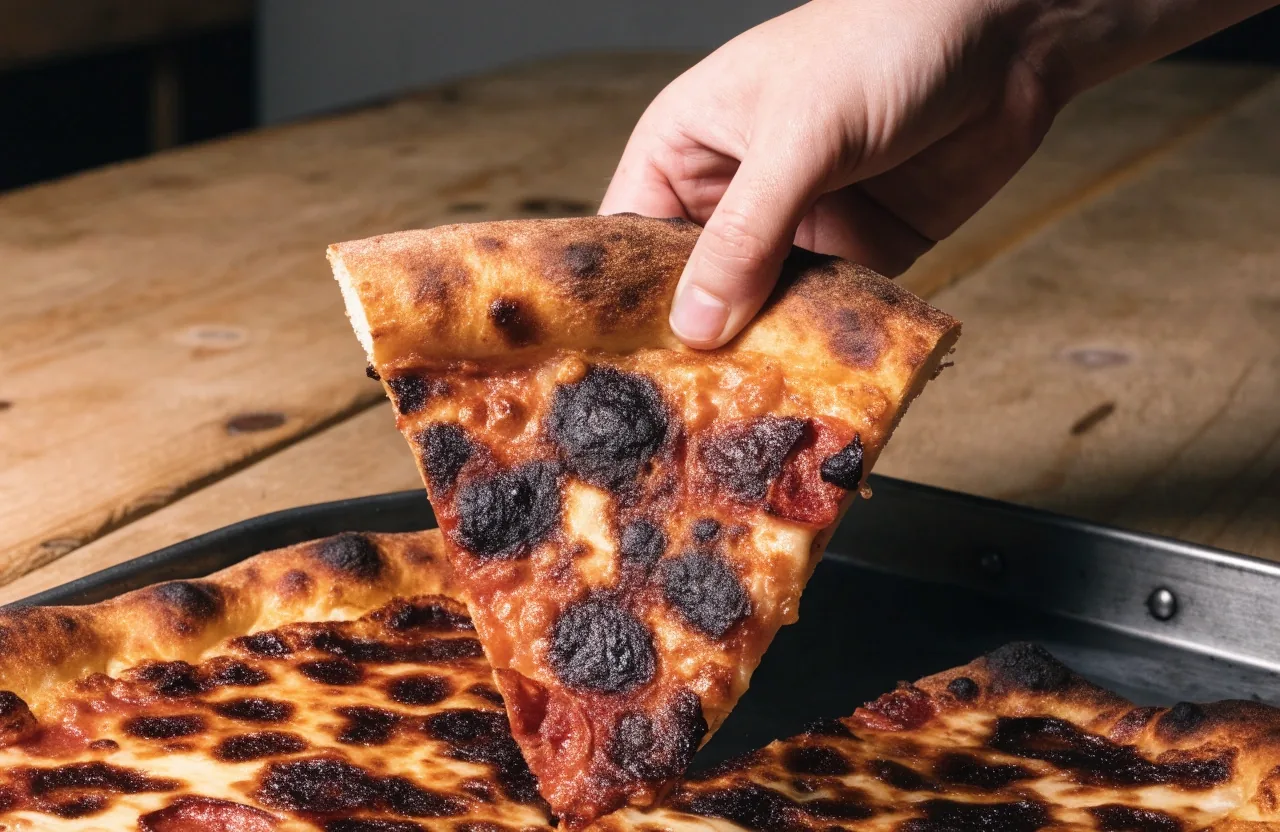
New visitors sometimes see dark blisters and think the pizza burned. It did not. Those spots form where dough meets the hottest part of the oven floor. They add a light bitterness that balances sweet tomato and salty cheese.
The rim shows it most because the edge has the least topping to shield it. Spotty char is expected. A pale, uniform edge suggests the oven was running cooler than it should, while an evenly black edge suggests the pie sat too close to the heat.
How the oven shapes the rest of the menu
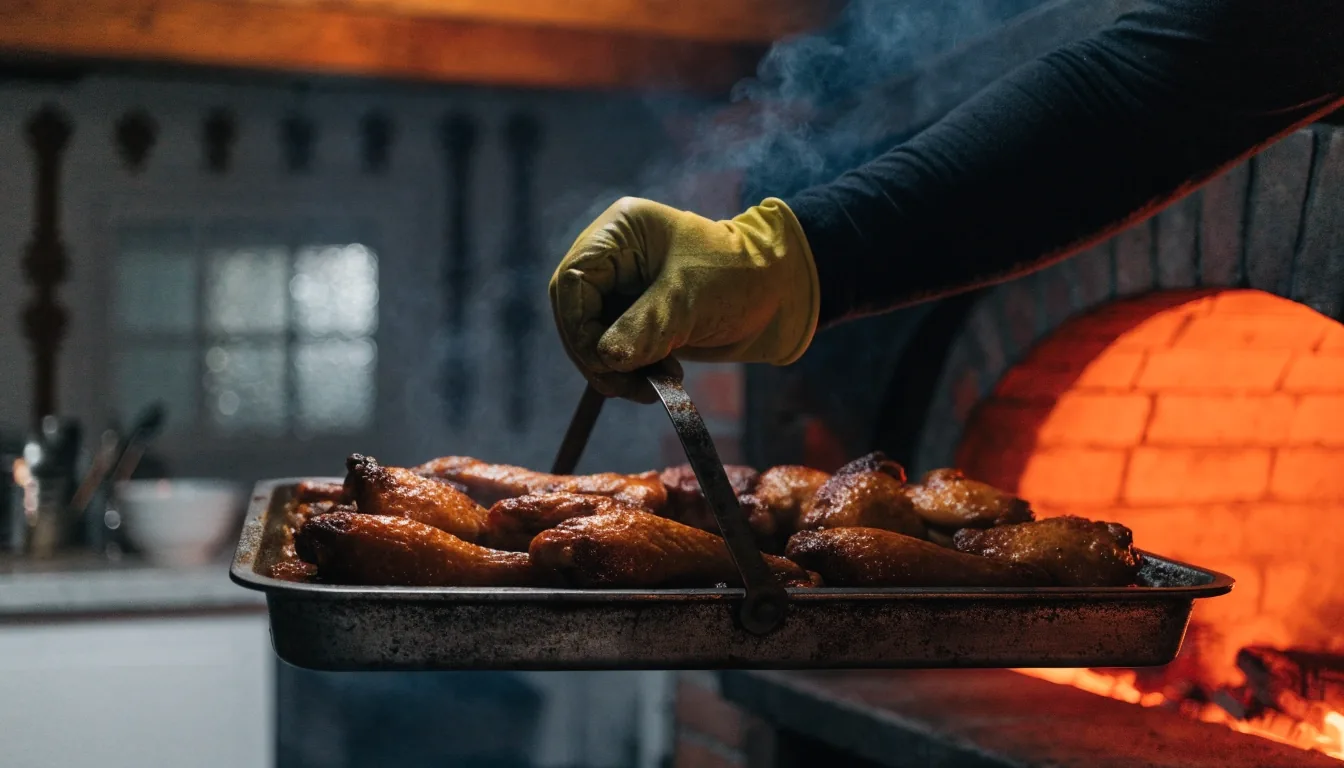
The oven does not only bake pizza. Anthony's Coal Fired Pizza and Wings go into the same high heat, which is why the wings come out with rendered skin and deep color instead of a fried coating. No batter, no fryer basket, just dry roasting at full temperature.
The rest of the menu is built around that. Pasta, salads, and focaccia bread give the table options that do not compete with pizza for oven time. Simple toppings like vine-ripened tomatoes work well here because a fast, hot bake rewards a few good ingredients rather than heavy combinations that need longer to cook through.
Read the menu staplesWhat to order around the bake
- Start with roasted wings while the pizza finishes; they hold heat well for the table.
- Keep pizza toppings simple so the thin center stays crisp.
- Add a salad or focaccia bread if the group wants something outside the oven cycle.
Coal versus gas, in plain terms
If you are comparing Anthony coal fired pizza to a standard pizzeria, the practical differences come down to heat, texture, and flavor. None of that makes gas-oven pizza bad. It just makes it a different product.
Bake speed
Hotter, faster
Coal holds near 900 degrees, so a thin pie sets in minutes. Gas decks run cooler and need more time, which softens the base.
Texture
Dry and crisp with char
Expect a firm underside and spotty char on the rim. Gas-oven crusts tend to be paler, chewier, and more uniform.
Flavor
Light smokiness
Coal adds a faint smoky note you will not get from gas. Toppings stay bright because they spend less time in the heat.
What to look for when your pizza arrives
You can judge the bake in seconds. These three checks tell you more than any description of the oven.
-
1
Check the underside
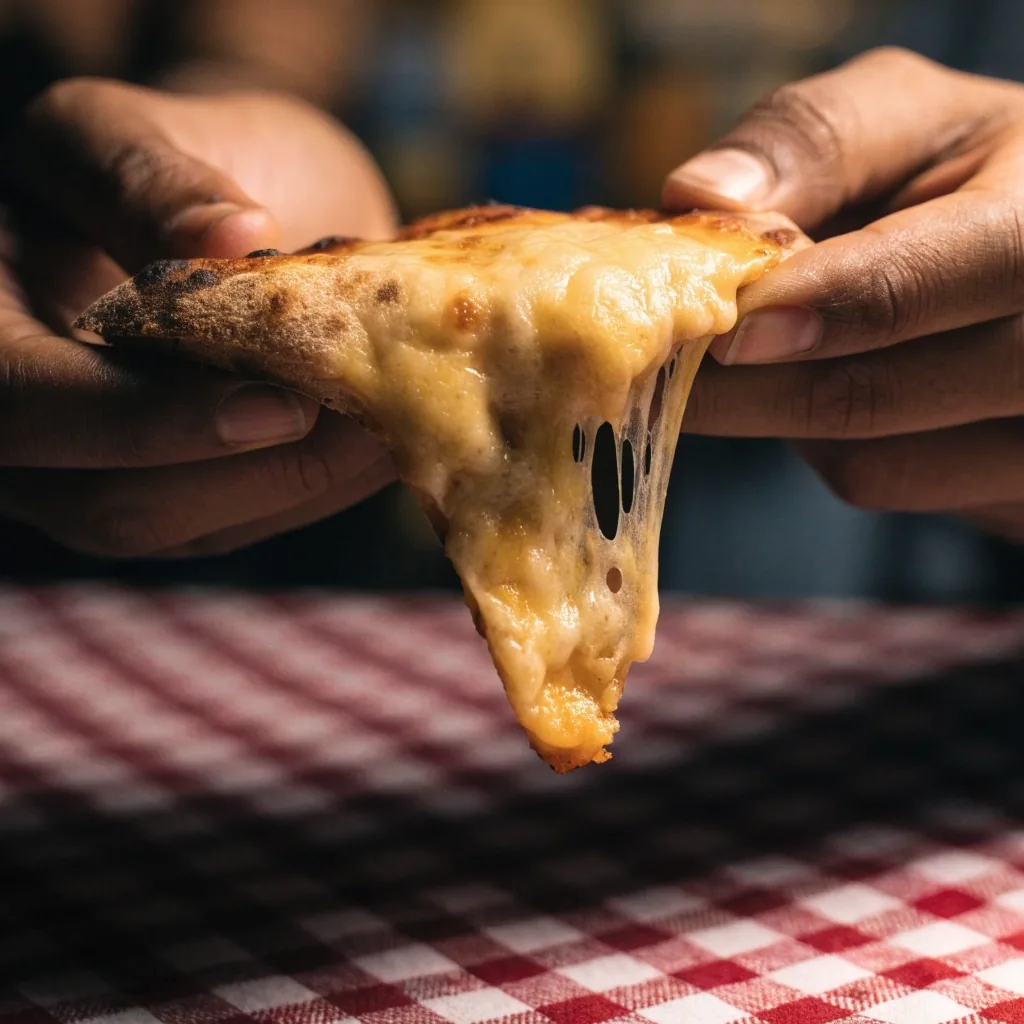
It should look dry and firm with a little color, not pale and doughy. A wet center means the bake ran cool or the pie was overloaded.
-
2
Read the rim
Look for spotty char, not an even black band. Patchy blisters mean the crust kissed the hottest part of the floor exactly as it should.
-
3
Lift the slice
A coal-fired slice from ACFP keeps its shape with a slight fold rather than a droop. If it flops, it needed another minute on the stone.
Why the oven is part of the brand
Anthony's Coal Fired leads with the oven because it is the one thing a competitor cannot easily copy. Any restaurant can add wings to a menu, but installing and running a coal oven is a different commitment.
That is why location pages and menu copy keep returning to the same details: the 900-degree heat, the roasted wings, the charred crust. When a guest walks into a New Jersey or Long Island dining room, that consistency sets the expectation before the peel ever hits the table.
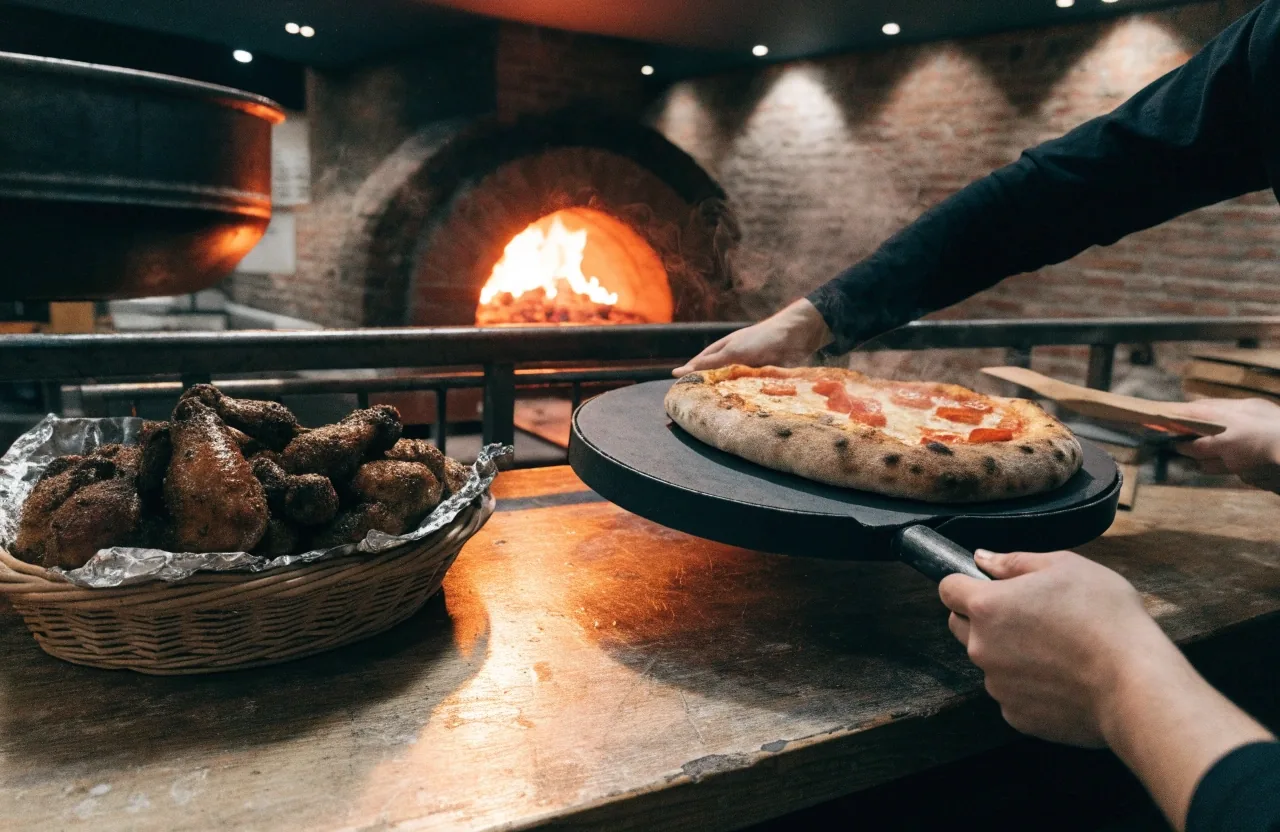
Dine-in rooms are arranged so guests can feel the oven heat. Takeout boxes are packed to keep that crisp texture on the ride home.
Coal oven questions
Straight answers for first-time visitors and curious regulars.
Is the char on the crust a sign the pizza is burnt?+
No. The dark spots form where the dough meets the hottest part of the oven and are part of the style. An evenly black edge would be a problem, but spotty char is expected.
How is a coal oven different from a gas oven?+
Coal burns hotter and holds temperature more steadily, so the bake is faster and the crust comes out drier and crisper. Gas ovens bake slower and tend to produce a softer crust.
Why do the wings taste different here?+
They are roasted in the same high heat as the pizza rather than fried, so the skin renders and picks up color without a heavy batter.
Taste what 900 degrees does
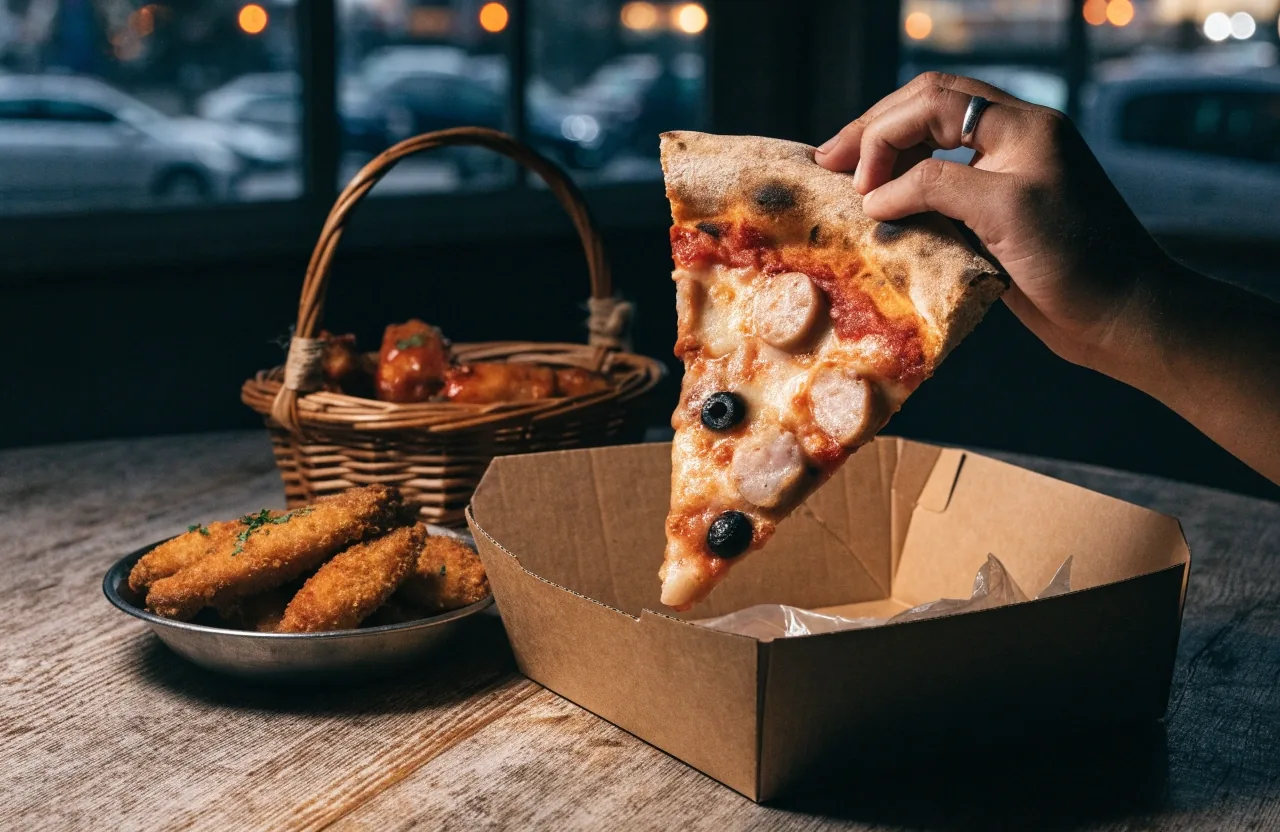
Order a classic pie and roasted wings, then run the three checks: dry underside, spotty rim, slice that holds. You will know the oven by the bite.
Guide hours: Mon–Sun 11:00 AM – 10:00 PM. 2200 Glades Road, Boca Raton, FL 33431.